NJ Mansion Tax 2025: What High-Value Property Owners Need to Know About New Appraisal Requirements

May 20, 2026

New Jersey's mansion tax is undergoing its most significant overhaul in decades, with sweeping changes taking effect July 10, 2025. While the term "mansion tax" might sound like it only affects palatial estates, these changes will impact any property owner selling real estate valued at $1 million or more in the Garden State.

The most dramatic shift? Sellers are now on the hook for the entire tax burden, replacing the previous system where buyers paid a flat 1% rate. Combined with a new progressive tax structure that can reach 3.5% for ultra-high-value properties, these changes are reshaping New Jersey's luxury real estate landscape.

The Great Tax Shift: From Buyers to Sellers

For years, New Jersey buyers knew that purchasing a property over $1 million meant paying an additional 1% mansion tax at closing. That predictable cost is now history. Starting July 10, 2025, sellers bear the full responsibility for mansion tax payments.

This fundamental shift changes the economics of high-value real estate transactions. Sellers who previously factored in market conditions, capital gains taxes, and standard closing costs now must account for mansion tax liability that can reach tens of thousands of dollars on luxury properties.

image_1

The change isn't just about who writes the check: it's about negotiating power and market dynamics. Buyers may find themselves with increased leverage, knowing that sellers face mandatory tax obligations regardless of how the transaction unfolds.

Understanding the New Progressive Tax Structure

Gone is the simple 1% flat rate. New Jersey's revised mansion tax employs a tiered system that applies to the entire sale price for properties valued at $2 million and above:

  • $1 million to $2 million: 1% tax rate
  • $2 million to $2.5 million: 2% tax rate
  • $2.5 million to $3 million: 2.5% tax rate
  • $3 million to $4 million: 3% tax rate
  • $4 million and above: 3.5% tax rate

This progressive structure means the tax burden increases dramatically at certain price thresholds. A property selling for $2,020,000 triggers a $40,400 mansion tax liability: double what the previous system would have cost the buyer.

For ultra-luxury properties, the impact is even more pronounced. A $5 million property sale now generates $175,000 in mansion tax, compared to $50,000 under the old system.

Why Accurate Appraisals Matter More Than Ever

While current research doesn't indicate specific new appraisal requirements tied to the mansion tax changes, accurate property valuations have become critically important for high-value property owners. Here's why:

Tax Planning Precision: With tax rates varying significantly across price thresholds, knowing your property's exact market value helps predict tax liability and plan accordingly. A property appraised at $1.95 million faces a 1% tax rate, while the same property valued at $2.05 million jumps to 2%.

Strategic Pricing Decisions: Sellers near tax threshold boundaries might benefit from pricing strategies that minimize tax exposure while maximizing net proceeds. Professional appraisals provide the market data needed for these calculations.

Estate and Divorce Valuations: The higher tax burden makes accurate appraisals essential for estate planning and divorce proceedings involving high-value New Jersey real estate. Miscalculations can result in unexpected five or six-figure tax obligations.

image_2

Expanded Property Types Under the New Law

The 2025 changes extend mansion tax coverage beyond traditional residential properties. Commercial real estate, farm properties, cooperative units, and controlling interest transfers valued over $1 million now fall under the mansion tax umbrella.

This expansion means property owners across various real estate sectors need professional appraisals to understand their potential tax exposure. Commercial property owners, in particular, should reassess their portfolios to identify properties that might trigger mansion tax liability in future transactions.

Timeline and Transition Rules

The July 10, 2025 effective date includes important transition provisions for properties already under contract. If your purchase agreement was executed before July 10, 2025, but the deed records by November 15, 2025, a hybrid payment structure applies:

  • Buyers pay 1% (the old rate)
  • Sellers pay the difference between 1% and the new progressive rate

This transition period creates a window where both parties share the tax burden, though sellers still face the larger financial impact for high-value properties.

image_3

Preparing for the Changes: Action Steps for Property Owners

Get a Current Appraisal: If you're considering selling high-value New Jersey real estate in the next few years, obtain a professional appraisal to understand current market value and potential tax implications.

Review Estate Plans: The increased tax burden may affect estate planning strategies for high-net-worth individuals with significant New Jersey real estate holdings.

Consider Timing: Properties currently on the market or nearing market readiness might benefit from expedited sales to avoid the higher tax rates.

Consult Tax Professionals: The interaction between mansion tax, capital gains, and other real estate taxes requires expert guidance for optimal tax planning.

Market Impact and Property Values

Real estate markets typically adjust to new tax structures over time. Some analysts predict the seller-paid mansion tax could lead to:

  • Slight downward pressure on luxury property prices as sellers factor tax costs into pricing
  • Reduced inventory in certain price ranges as owners delay sales
  • Increased activity before the July 10, 2025 deadline

However, New Jersey's desirable location, strong economy, and limited luxury housing inventory may help maintain property values despite the increased tax burden.

Commercial and Investment Property Considerations

The expansion to commercial properties adds complexity for investment real estate owners. Shopping centers, office buildings, industrial properties, and apartment complexes valued over $1 million now face mansion tax exposure.

Commercial property transactions typically involve more complex valuations than residential sales. Professional appraisals become essential not just for tax planning, but for accurate deal structuring and due diligence.

image_4

Working with Professional Appraisers

Given the financial stakes involved, working with experienced, licensed appraisers familiar with New Jersey's luxury and commercial real estate markets is crucial. Look for appraisers who:

  • Hold current New Jersey state licenses
  • Have experience with high-value properties in your area
  • Understand local market conditions and comparable sales
  • Can provide detailed reports suitable for tax and legal purposes

Professional appraisals provide the documentation needed for tax planning, pricing strategies, and potential appeals if you believe your property's assessed value is incorrect.

Looking Ahead

New Jersey's mansion tax overhaul represents one of the most significant changes to high-value real estate taxation in recent memory. While the immediate focus is on understanding the new rate structure and payment responsibilities, property owners should also prepare for potential future adjustments.

Tax laws evolve, and New Jersey may refine these changes based on market response and revenue generation. Staying informed about legislative developments and maintaining current property valuations will help high-value property owners navigate this new landscape successfully.

The key to managing these changes lies in preparation and professional guidance. Whether you're planning to sell, buy, or simply want to understand your property's current value in light of these tax changes, working with qualified appraisers and tax professionals ensures you're making informed decisions in New Jersey's evolving luxury real estate market.

For property owners navigating these changes, professional appraisal services can provide the accurate valuations needed for effective tax planning and strategic decision-making in this new era of New Jersey real estate taxation.
How to Boost Your Property Appraisal Value in 5 Minutes: A New Jersey Homeowner’s Quick Guide

May 19, 2026

Let's be honest: you can't magically transform your property's value in five minutes. But you can absolutely maximize what you already have by taking smart, strategic actions before your appraiser arrives. As a New Jersey homeowner, you're sitting on valuable real estate, and small preparation steps can help ensure your appraisal reflects your property's true worth.

The key isn't making expensive renovations or dramatic changes. It's about presenting your home in the best possible light and providing your appraiser with the information they need to see the full value of your property.

The Real 5-Minute Wins

1. Create Your Property Enhancement List

Grab a pen and paper (or open your phone's notes app) and spend five minutes listing every improvement you've made to your property in the past few years. Include:

  • Kitchen appliances you've replaced
  • HVAC system updates or maintenance
  • Roof repairs or replacements
  • Bathroom renovations
  • Flooring upgrades
  • New windows or doors
  • Landscaping improvements

Don't forget to note approximate dates and costs. This simple list can prevent your appraiser from missing valuable improvements that might not be immediately obvious.

2. Quick Curb Appeal Sweep

Step outside and look at your property with fresh eyes. In five minutes, you can:

  • Remove any obvious debris from your yard
  • Straighten outdoor furniture
  • Clear leaves or snow from walkways
  • Make sure your house numbers are clearly visible
  • Quickly sweep your front porch or entryway

image_1

First impressions matter enormously to appraisers. A well-maintained exterior suggests a well-maintained interior, which can positively influence their overall assessment.

3. Gather Recent Sales Data

If you've been following your neighborhood's real estate market (and as a New Jersey homeowner, you probably have), take five minutes to jot down addresses of similar homes that have sold recently in your area. Note their sale prices and dates if you remember them.

While your appraiser will conduct their own comparable sales analysis, providing this information shows you're engaged and knowledgeable about your local market.

The 15-Minute Power Moves

Compile Your Documentation Package

Take a few extra minutes to create a comprehensive information packet for your appraiser. This should include:

Property Improvements Documentation:

  • Receipts or invoices for major improvements
  • Permits for renovations or additions
  • Warranty information for new appliances or systems
  • Before-and-after photos of significant upgrades

Neighborhood Assets:

  • Information about highly-rated local schools
  • Proximity to transportation (especially important in New Jersey with NYC commuter access)
  • Local amenities like parks, shopping centers, or recreational facilities
  • Any recent community improvements or developments

Address Obvious Maintenance Issues

While you can't complete major repairs in 15 minutes, you can quickly address small issues that might create negative impressions:

  • Replace burnt-out light bulbs
  • Clean smudged windows
  • Tighten loose handrails
  • Clear any musty odors with fresh air circulation
  • Organize cluttered areas the appraiser will need to access

image_2

What Actually Impacts Your New Jersey Appraisal

Location-Specific Value Drivers

New Jersey properties have unique advantages that smart homeowners leverage:

Transportation Access: Properties with easy access to NJ Transit, PATH trains, or major highways to NYC command premium values. If your home offers convenient commuting options, make sure this is highlighted.

School Districts: New Jersey's excellent school systems significantly impact property values. If you're in a top-rated district, ensure your appraiser knows this.

Flood Zone Considerations: Given New Jersey's coastal areas and recent weather patterns, properties outside flood zones or with recent flood mitigation improvements have distinct advantages.

Property Tax Efficiency: Properties in municipalities with reasonable tax rates relative to services provided can be more attractive to buyers and appraisers.

Improvements That Truly Add Value

Based on New Jersey market trends, these improvements typically provide the best return on investment:

  • Updated kitchens with modern appliances
  • Energy-efficient windows and HVAC systems
  • Finished basements (popular in NJ due to space constraints)
  • Master bathroom renovations
  • Hardwood floor restoration or installation

image_3

Improvements That Don't Always Pay Off

Avoid expecting major appraisal boosts from:

  • Over-the-top luxury finishes that exceed neighborhood standards
  • Swimming pools (maintenance concerns in NJ's climate)
  • Highly personal design choices
  • Converting garages to living space without proper permits

Common New Jersey Homeowner Mistakes

Overestimating DIY Work Value

While your weekend project might look great to you, appraisers evaluate work quality professionally. DIY improvements without permits or professional installation may not add the value you expect.

Ignoring Seasonal Factors

New Jersey's distinct seasons affect property presentation. If your appraisal is scheduled during winter, ensure snow is cleared from walkways and your heating system is functioning efficiently. Summer appraisals should showcase any outdoor living spaces or landscaping investments.

Forgetting About Storage Space

New Jersey homes often excel in providing creative storage solutions. Make sure basements, attics, and built-in storage areas are accessible and well-presented.

image_4

The Professional Advantage

While these quick preparation steps can help maximize your appraisal outcome, working with an experienced New Jersey appraiser who understands local market nuances is invaluable. Local appraisers know how to properly evaluate everything from historic home features to modern energy efficiency upgrades within the context of New Jersey's diverse housing market.

Beyond the Five-Minute Fix

Remember that sustainable property value comes from consistent maintenance and strategic improvements over time. The "five-minute" preparation is really about presenting the value you've already created through good homeownership practices.

Consider keeping an ongoing home improvement log throughout your ownership. This makes future appraisals, refinancing, or sale preparations much smoother.

Your Next Steps

After completing these quick preparation steps, focus on being present and available during the appraisal process. Answer questions honestly, provide access to all areas of your property, and let your preparation work speak for itself.

image_5

The goal isn't to influence your appraiser inappropriately: it's to ensure they have complete and accurate information to assess your property's true value. Professional appraisers appreciate homeowners who are organized, knowledgeable about their property, and respectful of the appraisal process.

Your New Jersey property represents a significant investment. Taking these few minutes to prepare properly helps ensure that investment is accurately reflected in your appraisal, whether you're refinancing, selling, or simply need to know your current equity position.

Ready to get the most accurate appraisal for your New Jersey property? Contact Esteemed Appraisals for professional appraisal services that understand the unique value drivers in New Jersey's diverse real estate market.

Why Everyone’s Talking About NJ Property Tax Appeals in 2025 (And You Should Too)

May 18, 2026

New Jersey property tax appeals dominated conversations among homeowners, business owners, and real estate professionals throughout 2025. With critical filing deadlines now behind us, it's worth understanding why this year became a pivotal moment for property tax relief across the Garden State: and what it means for your future tax planning.

The Perfect Storm: Why 2025 Became the Year of Appeals

Several factors converged in 2025 to make property tax appeals more relevant than ever. Rising property assessments, shifting market conditions, and evolving commercial real estate values created opportunities for significant tax savings that savvy property owners couldn't afford to ignore.

The most compelling reason for the appeal surge? New Jersey's unique "assessment freeze" rule. When you successfully appeal your property taxes, the state locks in your new, lower assessment for two full years. This means a successful 2025 appeal provided tax relief through 2027, creating substantial long-term savings without requiring annual refilings.

For many property owners, this represented thousands of dollars in potential savings: money that could be reinvested in their properties, businesses, or families.

image_1

Understanding the 2025 Deadline Landscape

The complexity of New Jersey's appeal deadlines caught many property owners off guard in 2025. Unlike states with uniform statewide deadlines, New Jersey operated under a dual-system approach that varied by county.

Standard Statewide Deadlines

Most New Jersey property owners faced an April 1, 2025 deadline to file their appeals. For municipalities conducting town-wide reassessments or revaluations, this deadline extended to May 1, 2025. These dates applied to the majority of counties across the state and represented the final opportunity for property owners to challenge their 2025 assessments.

The Early Bird Counties

However, property owners in Burlington, Gloucester, and Monmouth Counties operated under an accelerated timeline with a much earlier deadline of January 15, 2025. This alternative assessment calendar, designed to expedite the appeals process in these counties, meant that residents had significantly less time to prepare their cases.

The early deadline particularly impacted commercial property owners and those with complex valuation situations who needed additional time to gather comparable sales data, obtain professional appraisals, or coordinate with legal counsel.

Commercial Properties: The Biggest Winners and Losers

Commercial property owners had the most to gain: and lose: from the 2025 appeal season. Unlike residential properties, where assessment challenges typically focus on comparable home sales, commercial appeals involve complex valuation methodologies that can result in dramatically different outcomes.

image_2

The Capitalization Rate Factor

Commercial property values are inversely related to capitalization rates, and 2025's shifting interest rate environment created unique opportunities for appeals. As market cap rates adjusted throughout the year, many commercial properties found their assessed values no longer aligned with current market realities.

Property owners who could demonstrate that their assessments were based on outdated cap rates or market assumptions often achieved substantial reductions. The stakes were particularly high because commercial property taxes represent one of the largest operating expenses for most businesses.

Industrial and Retail Challenges

The continued evolution of e-commerce and remote work patterns throughout 2025 meant that many industrial and retail properties were overassessed relative to their actual market values. Warehouse and distribution facilities in some areas saw increased demand, while traditional retail spaces in certain markets faced ongoing valuation challenges.

These market dynamics created compelling cases for property tax appeals, particularly for owners who could document declining rental rates, increased vacancy periods, or shifting demand patterns in their specific market segments.

The Evidence Game: What It Takes to Win

Successful property tax appeals in 2025 required more than just a hunch that your taxes were too high. New Jersey law requires property owners to prove that their assessed value was "unreasonable" compared to true market value: a standard that demands concrete evidence and strategic presentation.

image_3

Comparable Sales Analysis

The foundation of most successful appeals was a robust comparable sales analysis. Property owners needed to identify recent sales of similar properties in their area and demonstrate how these transactions supported a lower valuation than their current assessment.

For residential properties, this meant finding homes of similar size, condition, and location that sold for less than the assessed value would suggest. Commercial properties required more sophisticated analysis, often involving sales of properties with similar income-producing characteristics, tenant profiles, and market positioning.

Professional Appraisals: The Gold Standard

While not always required, professional appraisals provided the most credible evidence for appeals. Licensed appraisers brought expertise in valuation methodologies, market analysis, and presentation standards that significantly improved chances of success.

Many property owners discovered that the cost of a professional appraisal: typically ranging from a few hundred to several thousand dollars depending on property complexity: was easily justified by the potential tax savings over the two-year assessment freeze period.

The Two-Track Appeal Process

New Jersey's appeal system offered property owners two distinct paths, each with different procedures, costs, and formality requirements.

County Tax Board: The User-Friendly Option

Most appeals began at the County Tax Board level, which offered a relatively informal process designed for property owners to represent themselves. These hearings typically involved presenting evidence to a three-member board in a conference-room setting rather than a formal courtroom.

The County Tax Board option appealed to many property owners because it required minimal legal formalities, lower costs, and faster resolution times. Many successful appeals never progressed beyond this level, particularly those involving clear-cut evidence of overassessment.

image_4

State Tax Court: The Heavy Artillery

For more complex cases or situations where County Tax Board relief proved insufficient, the State Tax Court provided a more formal legal venue. While this option involved higher costs, stricter procedural requirements, and longer timelines, it also offered the potential for more significant assessment reductions.

Commercial property owners and those with high-value residential properties often found the State Tax Court route necessary to achieve meaningful relief, particularly when their cases involved complex valuation disputes or significant dollar amounts.

Why Timing Mattered More in 2025

Beyond the obvious deadline considerations, several timing factors made 2025 particularly advantageous for property tax appeals.

Market Volatility Created Opportunities

The dynamic market conditions throughout 2025 meant that many assessments, which were typically based on prior-year data, no longer reflected current market realities. Properties in rapidly changing neighborhoods or market segments often found their assessments lagging behind actual value trends.

The Assessment Freeze Advantage

With the two-year assessment freeze rule, successful 2025 appeals locked in benefits through 2027. This timing was particularly valuable given uncertainty about future assessment cycles and potential changes to local tax policy.

image_5

Looking Ahead: Lessons for Future Appeal Seasons

While the 2025 appeal deadlines have passed, the lessons learned provide valuable insights for future property tax planning. Property owners who missed the 2025 opportunity should begin preparing for the next appeal cycle by monitoring their local assessment practices, tracking comparable sales data, and considering professional valuation services.

The success stories from 2025 demonstrated that property tax appeals, when properly prepared and executed, represent one of the most effective ways to reduce long-term property ownership costs. The key lies in understanding the process, gathering compelling evidence, and meeting critical deadlines.

For property owners planning future appeals, the 2025 experience underscored the importance of starting early, working with qualified professionals when appropriate, and understanding the specific requirements and deadlines that apply to their county and property type.

The conversations about 2025 property tax appeals will likely continue well into 2026, as property owners realize the benefits of their successful challenges and others plan their strategies for the next appeal cycle. The lesson is clear: in New Jersey's complex property tax landscape, knowledge, preparation, and timely action can translate into substantial long-term savings.

7 Mistakes You’re Making with Your NJ Home Appraisal (and How to Fix Them)

May 15, 2026

Getting your New Jersey home appraised can feel like a high-stakes game where every detail matters. Whether you're refinancing, selling, or dealing with a divorce settlement, that final appraisal number can make or break your financial plans. Unfortunately, many homeowners unknowingly sabotage their own appraisals through simple mistakes that could have been easily avoided.

After years of working with New Jersey property owners, we've seen these same costly errors repeated over and over again. The good news? Once you know what to watch out for, most of these mistakes are completely preventable. Here are the seven biggest appraisal mistakes we see NJ homeowners make: and exactly how to fix them.

Mistake #1: Failing to Document Your Home Improvements

Here's a scenario that happens way too often: You spent $30,000 on a gorgeous kitchen renovation last year, but when the appraiser walks through, they have no idea those granite countertops and custom cabinets weren't original to the home. Without proper documentation, your investment might as well be invisible.

Why this hurts you: Appraisers can't give you credit for improvements they don't know about or can't verify. That beautiful bathroom remodel could easily be overlooked if it looks like it's been there for years.

The fix: Start a home improvement file today. Include permits, receipts, before-and-after photos, and contractor information for every upgrade. When the appraiser arrives, provide a typed list of all improvements with dates and costs. Don't assume they'll notice everything: make it obvious.

image_1

Mistake #2: Ignoring Deferred Maintenance Issues

Nothing kills an appraisal faster than visible problems that scream "this house needs work." We're talking about peeling paint, cracked driveways, broken fixtures, or that leaky faucet you've been meaning to fix for six months.

Why this hurts you: Appraisers are trained to spot maintenance issues, and they factor these problems into their valuation. A home that looks neglected suggests there might be bigger problems lurking beneath the surface.

The fix: Walk through your home with a critical eye at least two weeks before the appraisal. Fix obvious issues like squeaky doors, replace burnt-out light bulbs, patch holes in walls, and address any plumbing or electrical problems. You don't need to renovate, but your home should look well-maintained and move-in ready.

Mistake #3: Overlooking the Impact of Outdated Systems

In New Jersey's competitive real estate market, outdated HVAC, electrical, or plumbing systems can significantly drag down your home's value. Buyers want homes they can move into without immediately facing major system replacements.

Why this hurts you: An appraiser will note the age and condition of major systems. A 30-year-old furnace or knob-and-tube electrical wiring will negatively impact your appraisal, especially when compared to similar homes with updated systems.

The fix: If you can't afford to replace outdated systems before the appraisal, at least have them professionally inspected and serviced. Provide documentation showing they're in good working order. If you've recently updated any systems, make sure the appraiser knows: this is where that documentation file comes in handy again.

Mistake #4: Providing Inaccurate Property Information

It sounds basic, but you'd be surprised how often property details get mixed up during appraisals. Wrong square footage, incorrect bedroom counts, or misidentified lot size can throw off your entire valuation.

Why this hurts you: If the appraiser records your 1,800-square-foot home as 1,600 square feet, you just lost significant value based on a simple error. These mistakes happen more often than you'd think, especially in older New Jersey neighborhoods where records might be outdated.

The fix: Before the appraisal, verify your home's square footage, lot size, and room counts against public records. If there are discrepancies, have the correct information ready to share. After the appraisal, carefully review the report for accuracy and request corrections for any errors you find.

image_2

Mistake #5: Not Understanding How Comparable Sales Work

Here's where things get tricky. Appraisers use recent sales of similar homes (called "comps") to determine your home's value. But if they choose poor comparables: maybe a house near a busy highway when yours is on a quiet street, or a home that sold six months ago when the market has shifted: your appraisal suffers.

Why this hurts you: Poor comparable selections can undervalue your home by thousands of dollars. An appraiser might use a home from a less desirable area or one that sold during a market downturn, dragging your value down unfairly.

The fix: Do your homework on recent sales in your neighborhood. When you meet with the appraiser, politely share information about recent comparable sales that you believe better reflect your home's value. Don't be pushy, but provide relevant market data that supports your home's worth.

Mistake #6: Ignoring Local Market Conditions

New Jersey's real estate market can shift quickly, and different areas of the state experience different trends. An appraiser relying on old data or not fully understanding your local market conditions could miss the mark on your home's current value.

Why this hurts you: If your area has seen rapid appreciation or if there are positive developments (like a new train station or major employer moving in), an appraiser might not factor these changes into their valuation if they're not staying current with local trends.

The fix: Stay informed about your local market. Share relevant information about neighborhood improvements, new developments, or market trends with the appraiser. If your area has experienced recent growth or positive changes, make sure they're aware of these factors.

image_3

Mistake #7: Not Reviewing or Challenging the Appraisal Report

This might be the biggest mistake of all: accepting the appraisal report without carefully reviewing it. Many homeowners never even read the full report, missing obvious errors or questionable judgments that could be successfully challenged.

Why this hurts you: Appraisal reports can contain errors, and appraisers are human: they make mistakes. If you don't review the report thoroughly, you might miss opportunities to correct significant problems that are costing you money.

The fix: Request a copy of the complete appraisal report and read it carefully. Look for factual errors, questionable comparable sales, or omissions of positive features. If you find significant issues, you have the right to request a review or challenge the appraisal. Document your concerns with supporting evidence and work with your lender to address any legitimate problems.

Taking Control of Your Appraisal Outcome

The bottom line is this: while you can't control everything about the appraisal process, you have more influence than most people realize. By avoiding these seven common mistakes, you're setting yourself up for a fair and accurate valuation of your New Jersey home.

Remember, preparation is key. Start organizing your documentation and addressing maintenance issues well before the appraiser arrives. Be proactive about providing information, but don't overwhelm the appraiser: they're professionals who know their job.

If you're facing an appraisal and want expert guidance on maximizing your home's value, or if you need a second opinion on an appraisal you've already received, the team at Esteemed Appraisals is here to help. We understand the New Jersey market inside and out, and we're committed to providing accurate, fair appraisals that reflect your property's true worth.

Don't let these common mistakes cost you thousands of dollars. With a little preparation and the right approach, you can ensure your home appraisal accurately reflects the value you've worked so hard to build.

Commercial vs Residential Appraisals in NJ: Which Appraiser Do You Really Need?

May 14, 2026

When you're dealing with New Jersey real estate, one of the most confusing decisions property owners face is figuring out whether they need a commercial or residential appraiser. Make the wrong choice, and you could end up with an inaccurate valuation, wasted time, and unnecessary expenses.

The truth is, these two types of appraisals serve completely different purposes, use different methodologies, and require entirely different skill sets from appraisers. Understanding which one you need can save you thousands of dollars and weeks of delays.

What Makes Residential Appraisals Different?

Residential appraisals focus on properties where people live, single-family homes, condos, townhouses, and small multi-family properties (typically 1-4 units). In New Jersey, residential appraisals are relatively straightforward because most homes share common characteristics.

image_1

The residential appraisal process typically takes 5-10 business days and generates a standardized report of about 15-20 pages. Residential appraisers primarily rely on the sales comparison approach, looking at recent sales of similar properties in your neighborhood.

Here's what residential appraisers evaluate:

  • Square footage and layout
  • Number of bedrooms and bathrooms
  • Lot size and landscaping
  • Age and condition of the property
  • Recent renovations or improvements
  • Neighborhood characteristics and school districts
  • Recent comparable sales within a 1-mile radius

Since residential properties serve a similar function (providing housing), the valuation process is more standardized. Appraisers can easily compare your 3-bedroom colonial in Morris County to other similar homes that sold recently in the same area.

Understanding Commercial Appraisals

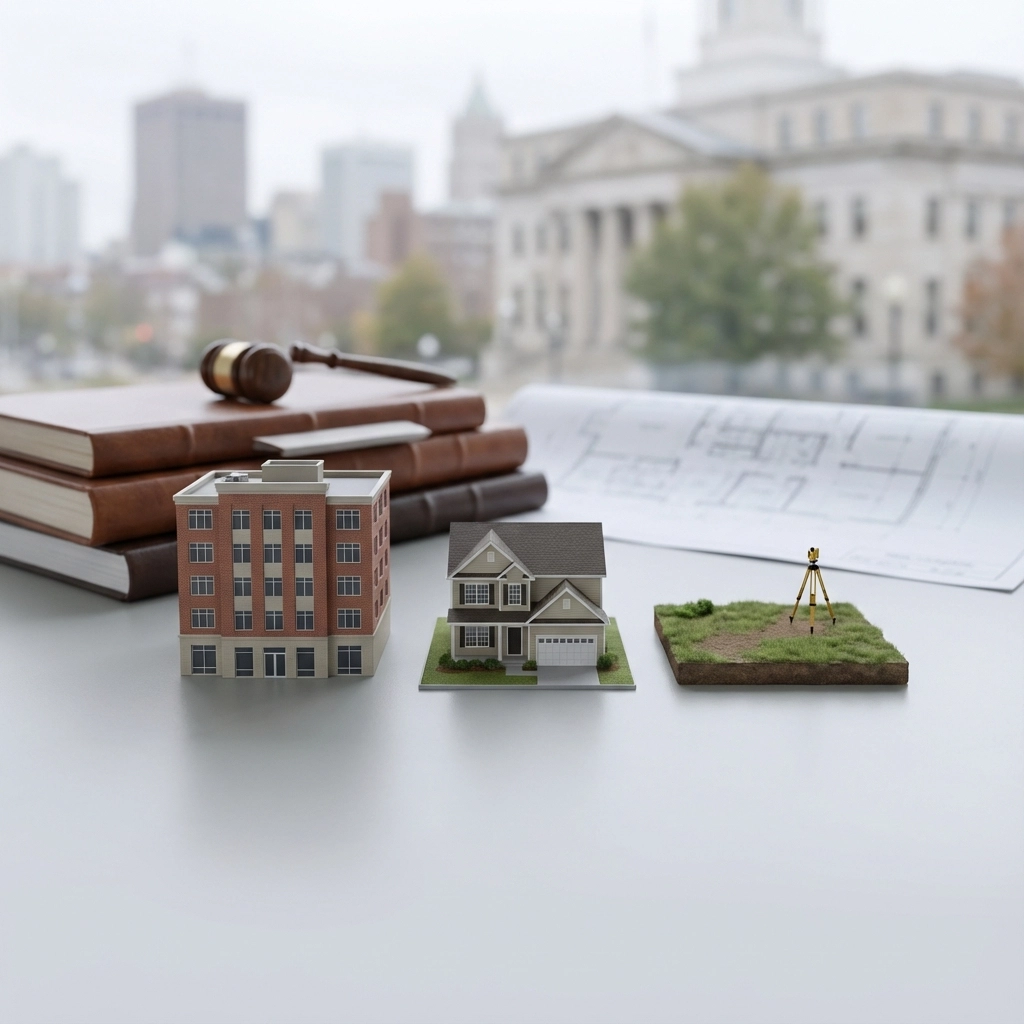
Commercial appraisals are an entirely different beast. These valuations focus on properties used for business purposes, office buildings, retail spaces, warehouses, apartment complexes (5+ units), hotels, and industrial facilities.

Unlike residential properties, commercial real estate is valued primarily on its ability to generate income. This makes commercial appraisals significantly more complex and time-consuming, often taking 2-4 weeks to complete.

image_2

Commercial appraisers use three main valuation approaches:

1. Income Approach
This is the primary method for most commercial properties. Appraisers analyze the property's current and potential rental income, subtract operating expenses, and apply a capitalization rate to determine value.

2. Sales Comparison Approach
Similar to residential, but finding truly comparable commercial properties is much more challenging since each commercial property is unique.

3. Cost Approach
This estimates what it would cost to rebuild the property from scratch, minus depreciation, plus land value.

The resulting commercial appraisal report can be 50-100+ pages, with detailed financial analysis, market research, and extensive documentation of the valuation methodology.

Key Differences: Commercial vs Residential

Factor Residential Commercial
Timeline 5-10 business days 2-4 weeks
Report Length 15-20 pages 50-100+ pages
Primary Valuation Method Sales comparison Income approach
Cost $300-$800 $2,000-$10,000+
Complexity Standardized process Highly customized
Focus Comparable sales Income generation potential
Market Data Required Recent neighborhood sales Rental rates, operating expenses, cap rates

When Do You Need a Commercial Appraiser in New Jersey?

Choose a commercial appraiser if your property falls into any of these categories:

Office Buildings and Professional Spaces

  • Medical offices
  • Legal practices
  • Corporate headquarters
  • Co-working spaces

Retail Properties

  • Shopping centers and strip malls
  • Standalone retail buildings
  • Restaurants and food service locations
  • Car dealerships

Industrial and Warehouse Facilities

  • Manufacturing plants
  • Distribution centers
  • Storage facilities
  • Research and development facilities

image_3

Multi-Family Properties (5+ Units)

  • Apartment complexes
  • Condominiums (when evaluated as income properties)
  • Mixed-use developments

Special Purpose Properties

  • Hotels and motels
  • Gas stations
  • Places of worship
  • Educational facilities

When Is a Residential Appraiser the Right Choice?

Stick with a residential appraiser for:

Single-Family Homes
Whether you're buying, selling, refinancing, or dealing with estate matters.

Small Multi-Family Properties (2-4 Units)
Duplexes, triplexes, and fourplexes are typically handled by residential appraisers, even if they generate rental income.

Condominiums and Townhouses
When being purchased as primary residences or personal investments.

Vacant Land for Residential Development
Raw land intended for single-family home construction.

New Jersey-Specific Considerations

New Jersey's diverse real estate market presents unique challenges for both commercial and residential appraisals.

High Property Tax Implications
New Jersey has some of the highest property taxes in the nation. Commercial appraisers must factor in these significant operating expenses when calculating net operating income. For residential properties, high taxes can significantly impact comparable sales values.

Dense Urban vs Suburban Markets
Northern New Jersey's proximity to New York City creates a unique commercial real estate market where Manhattan spillover affects property values. Meanwhile, South Jersey operates more like a traditional suburban market.

image_4

Mixed-Use Developments
New Jersey has many mixed-use properties combining residential and commercial space. These typically require commercial appraisers due to their complexity, even if residential units make up the majority of the space.

Cost Considerations

The price difference between commercial and residential appraisals is substantial:

Residential Appraisals: $300-$800

  • Standard home: $400-$500
  • Luxury properties: $600-$800
  • Rush orders: Additional $100-$200

Commercial Appraisals: $2,000-$10,000+

  • Small retail/office: $2,000-$4,000
  • Large office buildings: $5,000-$8,000
  • Complex properties: $8,000-$15,000

The higher cost reflects the additional time, expertise, and analysis required for commercial valuations. However, given that commercial properties are typically worth much more than residential properties, this represents a smaller percentage of the overall transaction value.

How to Choose the Right Appraiser

Check Licensing and Certification
New Jersey requires different licenses for residential and commercial appraisers. Make sure your appraiser holds the appropriate credentials for your property type.

Look for Local Market Experience
New Jersey's real estate market varies dramatically from North to South. Choose an appraiser with specific experience in your county and property type.

Ask About Turnaround Times
If you're working under a tight deadline, confirm the appraiser can meet your timeline before hiring them.

image_5

Review Sample Reports
Ask to see a sample report to ensure the appraiser's work meets your needs and expectations.

Making the Right Choice for Your Property

The decision between commercial and residential appraisers ultimately comes down to your property's primary use and income-generating potential. When in doubt, consider these questions:

  • Does the property generate business income?
  • Is it zoned for commercial use?
  • Would a typical buyer purchase it as an investment or business operation?
  • Does it have more than 4 residential units?

If you answered "yes" to any of these questions, you likely need a commercial appraiser.

Remember, using the wrong type of appraiser can result in an inaccurate valuation that doesn't reflect true market value. This can be costly whether you're buying, selling, refinancing, or dealing with legal matters.

At Esteemed Appraisals, we provide both residential and commercial appraisal services throughout New Jersey. Our team can help you determine which type of appraisal your property requires and ensure you get an accurate, defensible valuation that meets your specific needs.

The key is understanding that commercial and residential appraisals serve different purposes, use different methodologies, and require different expertise. Choose wisely, and you'll get the accurate valuation you need to make informed real estate decisions in New Jersey's competitive market.

The Ultimate Guide to Choosing a Certified NJ Appraiser: Everything Lenders Need to Know About USPAP Compliance

May 13, 2026

When it comes to lending decisions, the quality of your real estate appraisal can make or break a deal. For lenders operating in New Jersey, understanding how to select a certified appraiser who meets USPAP compliance standards isn't just good business practice: it's essential for risk management, regulatory compliance, and maintaining investor confidence.

The stakes are high. A poorly executed appraisal can lead to inflated property values, increased default risk, and potential regulatory penalties. But choosing the right certified appraiser protects your institution while ensuring smooth loan processing for your clients.

Understanding New Jersey's Appraiser Credential System

New Jersey operates a three-tier certification system, and each level comes with specific qualifications, scope limitations, and USPAP compliance requirements. Knowing which credential level you need for each property type can save you time, money, and potential headaches down the road.

Licensed Residential Real Property Appraiser

This entry-level credential allows appraisers to handle one to four residential units. Licensed Residential appraisers must complete 150 classroom hours of appraisal education, including the mandatory 15-hour National USPAP Course. They need 1,000 hours of appraisal experience obtained over at least six months, with no college education requirement.

While this might seem like the budget-friendly option, consider the limitations. Licensed Residential appraisers can only work on basic residential properties and must comply with USPAP's Competency Rule, which means they must demonstrate they can competently complete the assignment or decline it.

Certified Residential Real Property Appraiser

This mid-level credential expands the scope to all one to four residential units regardless of value or complexity. The requirements jump significantly: 200 classroom hours of appraisal education (including the 15-hour National USPAP Course), 1,500 hours of appraisal experience over at least 12 months, and college-level education (bachelor's degree, associate's degree in related fields, or 30 semester hours of specific coursework).

For most residential lending scenarios, this is your sweet spot. These appraisers have more training and experience while still specializing in residential properties.

image_1

Certified General Real Property Appraiser

The highest credential level qualifies appraisers for all property types, including commercial and complex residential properties. Requirements include a bachelor's degree or higher, 300 classroom hours of appraisal education (including the 15-hour National USPAP Course), and 3,000 hours of appraisal experience over at least 18 months (with at least half in commercial/non-residential work).

If you're dealing with commercial properties, mixed-use buildings, or unique residential properties, this is the only credential level that can handle the job.

USPAP Compliance: What It Means and How to Verify It

The Uniform Standards of Professional Appraisal Practice (USPAP) isn't just industry jargon: it's the bedrock of professional appraisal standards. Every certified appraiser in New Jersey must comply with USPAP requirements, but understanding what that actually means will help you make better selections.

USPAP compliance covers several critical areas:

Competency Requirements: Appraisers must demonstrate they have the knowledge and experience to complete each specific assignment competently. This means they can't just take any job: they must decline assignments outside their area of expertise.

Independence and Objectivity: Appraisers must remain independent from parties with financial interests in the appraisal outcome. They cannot advocate for any particular value or outcome.

Scope of Work: The appraiser must properly identify the problem, determine the appropriate scope of work, and clearly communicate their methodology and findings.

To verify USPAP compliance, confirm that your selected appraiser holds current certification through the New Jersey State Real Estate Appraiser Board. Additionally, all New Jersey appraisers must complete a two-hour course on state law and rules governing appraisal practice, demonstrating ongoing regulatory oversight.

image_2

Key Selection Criteria Beyond Basic Credentials

While credentials provide the foundation, several additional factors separate good appraisers from great ones.

Experience in Your Market Area: An appraiser familiar with your specific geographic market will have better access to comparable sales data and understand local market nuances that could affect property values.

Property Type Specialization: Some appraisers focus on specific property types like condominiums, historic properties, or waterfront homes. Match their specialization to your lending focus for better results.

Technology and Reporting Capabilities: Modern appraisers should use current technology for property measurement, comparable sales analysis, and report generation. Ask about their tools and typical turnaround times.

Communication Style: You need an appraiser who can explain their methodology clearly and respond promptly to questions. This becomes crucial when deals are time-sensitive or when you need to explain valuations to borrowers or investors.

Red Flags to Avoid

Certain warning signs should immediately disqualify an appraiser from consideration, regardless of their credentials or pricing.

Pressure to Hit Specific Values: Any appraiser who suggests they can "work with you" to achieve a particular value is violating USPAP independence requirements and should be avoided.

Unrealistic Turnaround Promises: While speed matters, be wary of appraisers who promise unrealistically fast turnaround times. Quality appraisals require adequate time for research and analysis.

Lack of Local Market Knowledge: An appraiser who seems unfamiliar with your market area or asks basic questions about local market conditions may not be the right fit.

Outdated Technology or Methods: Appraisers still relying on outdated measurement tools or reporting systems may produce lower-quality work or slower turnaround times.

Building Effective Appraiser Relationships

The best lending institutions don't just hire appraisers: they build ongoing relationships with reliable professionals who understand their standards and requirements.

Establish Clear Expectations: Communicate your typical turnaround requirements, reporting preferences, and quality standards upfront. Good appraisers appreciate clarity about expectations.

Provide Complete Information: Help your appraiser succeed by providing complete property information, any known issues or unique features, and clear contact information for property access.

Maintain Professional Boundaries: While building relationships is important, maintain appropriate professional distance. Never pressure appraisers about values or outcomes.

Regular Performance Reviews: Periodically evaluate your appraisers' performance on accuracy, timeliness, and communication quality. This helps you identify top performers and address any issues early.

image_3

Working with Appraisal Management Companies vs. Direct Selection

Many lenders work with Appraisal Management Companies (AMCs) rather than selecting appraisers directly. Both approaches have advantages and considerations.

AMCs handle appraiser selection, compliance monitoring, and quality control, which can reduce your administrative burden. However, you may have less control over which specific appraiser handles each assignment.

Direct selection gives you more control but requires more hands-on management of compliance and quality assurance. The right approach depends on your institution's size, lending volume, and internal capabilities.

Ensuring Ongoing Quality and Compliance

Selecting the right appraiser is just the beginning. Maintaining quality requires ongoing attention to performance and compliance.

Review completed appraisals for thoroughness, accuracy, and adherence to your standards. Look for consistent methodology, appropriate comparable selections, and clear explanations of value conclusions.

Stay informed about regulatory changes that might affect appraisal requirements. USPAP standards are updated regularly, and state regulations can change as well.

Consider implementing a feedback system where loan officers and borrowers can provide input on appraiser performance, helping you identify both excellent performers and potential issues.

The Bottom Line

Choosing the right certified NJ appraiser requires more than just checking credentials and comparing prices. The best appraisers combine proper certification, local market expertise, modern technology, and professional communication skills. They understand USPAP compliance requirements and maintain independence while delivering accurate, timely appraisals.

By understanding New Jersey's credential levels, verifying USPAP compliance, and building relationships with quality professionals, you'll protect your institution from risk while providing better service to your borrowers. Remember, a good appraisal is an investment in your lending portfolio's long-term success: choose wisely, and your bottom line will thank you.

For lenders seeking experienced, certified appraisers who understand both USPAP compliance and New Jersey's unique market conditions, Esteemed Appraisals provides comprehensive appraisal services across all property types and credential levels.

Commercial vs Residential vs Land Appraisals: Which New Jersey Appraiser Do You Really Need for Legal Cases?

May 12, 2026

When legal proceedings involve real estate in New Jersey, choosing the wrong type of appraiser can derail your case before it even begins. Whether you're dealing with a divorce settlement, estate dispute, tax appeal, or business litigation, understanding which appraiser specialization you need isn't just helpful: it's critical to your success.

Let's break down the three main types of property appraisals and when each one becomes essential in New Jersey legal cases.

Understanding the Three Types of Property Appraisals

Residential Appraisals

Residential appraisals focus on properties designed for personal living: single-family homes, condos, townhouses, and small multi-family properties (typically 1-4 units). These appraisers specialize in understanding neighborhood dynamics, school districts, local amenities, and how these factors impact home values.

In legal cases, residential appraisers become crucial when you're dealing with:

  • Divorce proceedings involving the family home
  • Estate settlements where inherited residential property needs valuation
  • Tax appeals on your primary or secondary residence
  • Personal injury cases where property damage occurred

Commercial Appraisals

Commercial appraisers handle income-producing properties and business real estate: office buildings, retail spaces, warehouses, apartment complexes (5+ units), hotels, and industrial facilities. These professionals understand complex financial metrics like cap rates, net operating income, and market rent analysis.

You'll need a commercial appraiser for legal cases involving:

  • Business dissolution or partnership disputes
  • Commercial lease disputes
  • Condemnation proceedings affecting business property
  • Estate planning for business owners with commercial real estate

image_1

Land Appraisals

Land appraisers specialize in vacant or undeveloped property, focusing on factors like zoning potential, soil conditions, access to utilities, and development possibilities. They understand how future land use affects current value.

Land appraisals become essential in:

  • Development disputes or zoning challenges
  • Agricultural property divisions in estates
  • Condemnation cases involving undeveloped land
  • Environmental litigation affecting property value

Why Specialization Matters in Legal Cases

Here's the reality: while many appraisers hold general licenses, specialization makes or breaks your case in court. New Jersey courts scrutinize appraisal methodology closely, and judges expect appraisers to demonstrate deep expertise in their property type.

A residential appraiser trying to value a shopping center won't understand the nuances of retail lease structures or market rent analysis. Similarly, a commercial appraiser might miss critical residential market factors that significantly impact a home's value.

New Jersey's Legal Standards for Appraisals

New Jersey recently updated its Real Estate Appraisal Act to ensure appraisals meet strict accuracy and equity standards. Courts require appraisers to follow established methodologies, including the direct sales comparison approach, income capitalization approach, and cost approach, depending on the property type.

More importantly, New Jersey judges can't simply pick the appraisal they prefer without proper evidentiary support. Your appraiser must independently demonstrate the property's actual value through credible verification methods: making expertise in your specific property type even more crucial.

Choosing the Right Appraiser for Common Legal Scenarios

Divorce Cases

For the family home: Choose a residential appraiser familiar with your specific neighborhood and school district. They'll understand local market nuances that significantly impact value.

For investment properties: If you own rental properties or commercial real estate, you'll need a commercial appraiser who understands income-producing property valuation methods.

For vacant land: Whether it's a building lot or larger parcel, a land appraiser will properly assess development potential and zoning implications.

image_2

Estate Planning and Probate

Estate cases often involve multiple property types, requiring different appraisal specializations:

  • Primary residence: Residential appraiser
  • Business property: Commercial appraiser
  • Undeveloped land or farms: Land appraiser
  • Mixed-use properties: May require both residential and commercial expertise

Tax Appeals

New Jersey property tax appeals require appraisers who understand both market valuation and assessment methodology. The appraiser you choose should have specific experience with tax appeal cases in your municipality, as assessment practices vary significantly across New Jersey counties.

For residential properties, choose someone familiar with comparable sales in your specific town. For commercial properties, select an appraiser experienced with income approach methodology, as this often becomes central to commercial tax appeals.

Business Litigation

When businesses face dissolution, partnership disputes, or litigation involving real estate assets, commercial appraisers become essential. They understand how business operations affect property value and can separate real estate value from business goodwill: a critical distinction in many legal cases.

Red Flags When Selecting an Appraiser

Avoid appraisers who:

  • Claim they can "handle any property type" without demonstrating specific expertise
  • Don't ask detailed questions about your property and legal case
  • Can't provide references for similar legal cases
  • Quote fees significantly below market rates (quality appraisals require time and expertise)
  • Don't hold appropriate certifications for your property type

Understanding Appraiser Credentials in New Jersey

All New Jersey appraisers must hold state licenses, but additional certifications matter for complex legal cases:

  • Certified Residential Appraisers: Can appraise residential properties without value limits
  • Certified General Appraisers: Can appraise any property type, including complex commercial properties
  • Licensed Residential Appraisers: Limited to residential properties under $1 million and simple commercial properties under $250,000

For legal cases, certified appraisers typically provide more credibility due to their advanced education and experience requirements.

image_3

The Cost Factor: Why Cheap Isn't Better

Legal appraisals cost more than typical mortgage appraisals because they require extensive research, detailed reporting, and potential court testimony. Expect to pay:

  • Residential legal appraisals: $600-$1,200
  • Commercial legal appraisals: $2,500-$7,500+ depending on complexity
  • Land appraisals: $1,000-$3,000 depending on size and complexity

Remember, a thorough appraisal that stands up in court protects assets worth far more than the appraisal fee.

Working with Your Attorney

Your real estate attorney should help identify which type of appraiser you need, but don't assume they automatically know the best choice. Provide details about your property type, legal case goals, and timeline. Many attorneys work with preferred appraisers who understand legal reporting requirements and can provide effective testimony if needed.

Making Your Decision

The right appraiser for your New Jersey legal case depends on three factors: your property type, your legal situation, and the appraiser's specific expertise. Don't let the wrong choice undermine your case: take time to verify credentials, ask about relevant experience, and ensure your appraiser understands both property valuation and legal requirements.

When property values become central to legal proceedings, specialized expertise isn't just helpful: it's essential for protecting your interests and achieving favorable outcomes in New Jersey courts.

For professional appraisal services across all property types in New Jersey legal cases, Esteemed Appraisals provides certified expertise tailored to your specific needs and legal requirements.

Are Traditional Appraisal Methods Dead? How NJ Appraisers Are Using 3D Technology to Speed Up Valuations

May 11, 2026

The real estate appraisal industry is experiencing its biggest transformation since the adoption of digital cameras. While traditional clipboard-and-tape-measure methods have served appraisers for decades, New Jersey's forward-thinking appraisal firms are embracing 3D scanning technology to deliver faster, more accurate valuations.

But does this mean traditional methods are completely obsolete? Not quite. The reality is more nuanced, and understanding how these technologies work together can help property owners, lenders, and real estate professionals make better decisions.

The Foundation: What Traditional Appraisal Methods Actually Involve

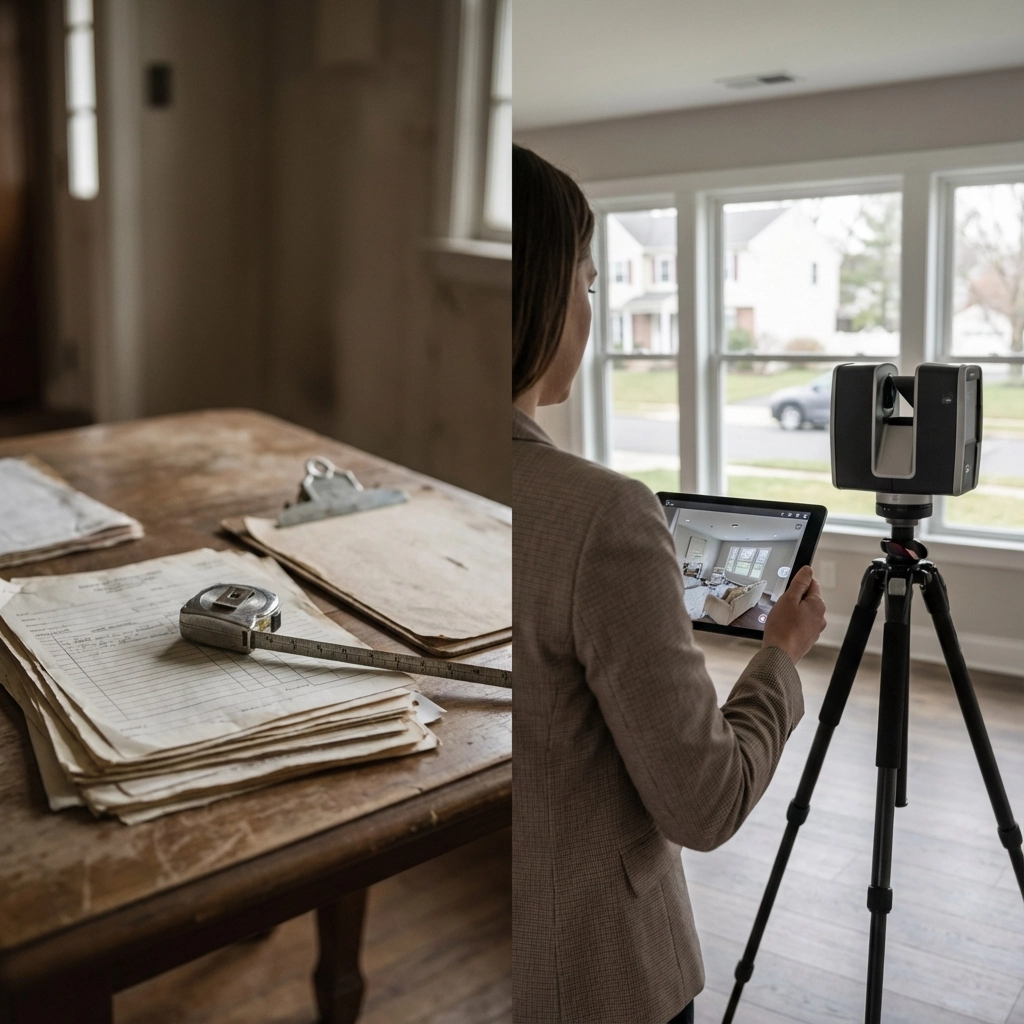
Traditional property appraisals have relied on a time-tested approach that combines physical inspection, manual measurements, and comparable sales analysis. An appraiser would visit the property, spend 1-3 hours measuring rooms, noting features, and documenting the condition of everything from flooring to HVAC systems.

This process typically includes:

  • Hand-measuring each room with a tape measure
  • Sketching floor plans on paper or tablets
  • Photographing key features and defects
  • Researching comparable sales in the area
  • Writing detailed reports based on observations

While thorough, this method has significant limitations. Weather delays, scheduling conflicts, and the sheer time required for complex properties can push appraisal timelines to 7-14 days or longer. In New Jersey's competitive real estate market, where deals can fall through over appraisal delays, speed matters.

image_1

Enter 3D Technology: More Than Just a Cool Gadget

3D scanning technology isn't replacing traditional appraisal expertise: it's amplifying it. Modern 3D scanners, including devices like the Matterport Pro camera and similar systems, can capture an entire property's interior in photorealistic detail within 30-60 minutes.

These scanners work by taking hundreds of infrared measurements per second, creating precise 3D models that include:

  • Exact room dimensions down to the inch
  • Ceiling heights and architectural details
  • Built-in furniture and fixture locations
  • 360-degree panoramic views of each space

The technology produces several outputs simultaneously: traditional floor plans, 3D virtual tours, and precise square footage calculations. What used to require multiple site visits can now be accomplished in a single session.

Speed Without Sacrificing Accuracy

The speed improvement is dramatic, but accuracy remains paramount in appraisal work. 3D scanning actually enhances precision in several ways:

Measurement Accuracy: Laser measurements eliminate human error from tape measure readings. The technology is accurate to within 1% of actual dimensions, often more precise than manual measurements.

Comprehensive Documentation: Traditional methods might miss details due to time constraints. 3D scans capture everything, allowing appraisers to review spaces virtually and spot features they might have overlooked during the initial visit.

Weather Independence: Rain, snow, or extreme heat no longer delay exterior measurements. Many 3D systems work effectively in various conditions, reducing scheduling complications common in New Jersey's variable climate.

image_2

Real-World Applications in New Jersey's Market

New Jersey's diverse property types: from Jersey Shore beach houses to historic Newark brownstones: present unique appraisal challenges that 3D technology addresses effectively.

Complex Layouts: Victorian homes with irregular room shapes and multi-level additions can be challenging to measure manually. 3D scanning captures these complexities accurately without multiple return visits.

Commercial Properties: Large warehouses, office buildings, and retail spaces that might require full days of traditional measurement can be documented in hours with 3D technology.

High-Value Properties: Luxury homes often have intricate architectural details and custom features that benefit from comprehensive 3D documentation, providing more thorough appraisal support.

Legal Proceedings: In divorce or estate situations where precise documentation is crucial, 3D scans provide indisputable evidence of property conditions at specific points in time.

Benefits for Different Stakeholders

The technology's impact extends beyond appraisers to everyone involved in real estate transactions:

Homeowners experience faster turnaround times, reducing the stress of waiting for appraisal results during refinancing or sales processes. The 3D tours also provide excellent documentation for insurance purposes.

Lenders receive more comprehensive reports with better visual documentation, supporting more confident lending decisions and potentially reducing liability concerns.

Real Estate Agents can use 3D tours for marketing while the appraisal is being completed, maximizing efficiency during the listing process.

Insurance Companies benefit from detailed property documentation that can streamline claims processes and property evaluations.

image_3

The Human Element Remains Essential

Despite technological advances, experienced appraisers remain irreplaceable. 3D scanning captures physical dimensions and visual details, but it cannot:

  • Assess property condition and quality
  • Identify structural issues or needed repairs
  • Evaluate neighborhood factors and market trends
  • Apply professional judgment about comparable sales
  • Navigate complex zoning or legal considerations

The most effective approach combines 3D technology's speed and precision with an appraiser's expertise and market knowledge. Technology handles the measurement and documentation; professionals provide the analysis and valuation.

Cost Considerations and ROI

Implementing 3D technology requires significant upfront investment. Professional-grade 3D cameras range from $3,000 to $15,000, with additional costs for software subscriptions and training.

However, the return on investment becomes clear through:

  • Increased volume capacity due to faster turnaround times
  • Reduced travel costs for re-inspections
  • Enhanced service differentiation in competitive markets
  • Improved client satisfaction through faster delivery

For established appraisal firms in New Jersey's active real estate market, the technology often pays for itself within 6-12 months.

Looking Ahead: The Future of Property Valuation

The integration of 3D technology with artificial intelligence and automated valuation models suggests even more dramatic changes ahead. Future developments might include:

  • AI-powered property analysis using 3D scan data
  • Integration with public records and MLS systems
  • Real-time comparable sales analysis during property visits
  • Enhanced virtual inspection capabilities for remote appraisals

However, regulatory requirements and industry standards evolve slowly. Traditional methods will likely remain important for certain property types and legal situations, even as technology becomes more sophisticated.

image_4

Making the Right Choice for Your Needs

Property owners and industry professionals should consider several factors when choosing appraisal services:

Timeline Requirements: If you need results within 24-48 hours, firms using 3D technology offer significant advantages.

Property Complexity: Unique or complex properties benefit more from comprehensive 3D documentation than standard residential homes.

Intended Use: Legal proceedings, insurance claims, and high-value transactions may warrant the additional precision 3D technology provides.

Budget Considerations: While 3D-enhanced appraisals may cost slightly more, the time savings often offset additional fees.

The Verdict: Evolution, Not Revolution

Traditional appraisal methods aren't dead: they're evolving. 3D technology represents a powerful tool that enhances rather than replaces fundamental appraisal skills and knowledge.

The most successful appraisal firms, including those serving New Jersey's diverse real estate markets, are integrating these technologies thoughtfully rather than abandoning proven methods entirely. They understand that clients want both speed and accuracy, and modern technology enables delivery of both.

For property owners, lenders, and real estate professionals, the key is working with appraisers who leverage appropriate technology for each situation while maintaining the expertise and attention to detail that ensure reliable valuations.

The future of real estate appraisal lies not in choosing between traditional and modern methods, but in combining the best of both approaches to serve clients more effectively than ever before.

Struggling with High Property Taxes? Here's Your Quick-Start Guide to NJ Tax Appeals in 2025

February 9, 2026

Let's be real about something right off the bat: if you're reading this on December 30, 2025, you've probably missed the boat for appealing your 2025 property tax assessment. The deadlines came and went months ago. But hey, don't beat yourself up about it: New Jersey's tax appeal process isn't exactly advertised with flashing neon signs.

What I can do is arm you with everything you need to know for next year's appeals and help you understand exactly how this whole system works. Because trust me, with New Jersey's sky-high property taxes, knowing how to challenge an unfair assessment is basically a survival skill.

Why New Jersey Property Tax Appeals Matter

New Jersey consistently ranks as having some of the highest property taxes in the nation. The average property owner here pays over $9,000 annually in property taxes. When your assessment is wrong, that's not just a minor inconvenience: it's potentially thousands of dollars coming out of your pocket every single year.

The thing is, assessment errors happen more often than you'd think. Maybe your town's assessor missed that your neighbor's identical house sold for $50,000 less than your assessed value. Maybe they didn't account for that foundation issue that cost you $15,000 to fix. Or maybe they just got the square footage wrong.

image_1

Understanding New Jersey's Appeal Deadlines

Here's where timing becomes absolutely critical. New Jersey doesn't mess around with deadlines, and missing them means you're stuck with whatever assessment they gave you for that entire tax year.

The Main Deadline: You have until April 1st OR 45 days after receiving your assessment notice (whichever comes later) to file your appeal. Most assessment notices get mailed in early February, so you're typically looking at mid-to-late March as your real deadline.

Revaluation Years: If your municipality did a town-wide revaluation or reassessment, you get a little breathing room: the deadline extends to May 1st.

Added or Omitted Assessments: These follow different rules entirely. Some counties require filing by December 1st, while others have different schedules. If you get hit with one of these surprise assessments, don't assume you have until April to respond.

The bottom line? Mark your calendar the moment you get that assessment notice, and don't procrastinate.

Where to File Your Appeal

This part actually depends on how much your property is worth, and it's one of those quirky New Jersey rules that trips people up.

Properties Under $1 Million: You must file with your County Board of Taxation. No exceptions, no shortcuts.

Properties Over $1 Million: You get options. You can still go through the County Board if you want, or you can file directly with the Tax Court of New Jersey. The Tax Court route is faster but also more formal and usually requires legal representation.

Added/Omitted Assessments Over $750,000: Same deal: you can bypass the County Board and go straight to Tax Court if you prefer.

image_2

The Paperwork You'll Need

Let's talk forms. New Jersey loves its paperwork, but the good news is it's not as complicated as you might think.

For Standard Appeals: You'll need Form A-1 (the basic appeal form) and Form A-1 Comp. Sale (where you list comparable properties that support your case). Both go to your County Board of Taxation.

For Added/Omitted Assessment Appeals: You'll need Form AA-1, also filed with the County Board.

These forms are available on your county's website, and most are pretty straightforward to fill out. The trickiest part is usually gathering the evidence to support your case, which brings us to…

Building a Winning Case

Here's where a lot of property owners either nail it or completely blow it. New Jersey assessments are based on your property's value as of October 1st of the previous year. So for 2026 appeals, they're looking at October 1, 2025 values.

Comparable Sales Are King: Your strongest evidence is recent sales of similar properties in your area. Look for homes that sold within the past year, are roughly the same size and age, and are in similar condition. The closer these "comps" are to your house, the better.

Document Everything: Got a leaky basement? Foundation cracks? An outdated kitchen that hasn't been touched since 1987? Document it all with photos and repair estimates. These factors should reduce your home's value compared to pristine properties in your neighborhood.

Know What You're Appealing: This is crucial: you're not appealing your tax bill. You're appealing your property's assessed value. Don't walk into that hearing complaining about how much you're paying. Focus on proving your house is worth less than what they say it is.

The Appeals Process: What to Expect

Once you file your appeal, here's how things typically unfold:

County Board Hearing: This is usually pretty informal. You'll sit at a table with a few board members and present your case. Bring your comparable sales, photos of any issues with your property, and any other evidence that supports a lower valuation.

The Decision: The County Board will either uphold your current assessment, lower it, or sometimes even raise it (though that last one is rare if you've done your homework).

Tax Court Appeal: Not happy with the County Board's decision? You have 45 days to appeal to Tax Court. Fair warning: Tax Court is a whole different ballgame. It's formal, typically requires an attorney, and usually takes at least a year to resolve.

image_3

When to Bring in the Professionals

Let's be honest: not every appeal needs a professional appraiser or attorney. If you're dealing with a straightforward case where your house is clearly overassessed and you have good comparable sales, you can probably handle the County Board hearing yourself.

But there are definitely times when calling in the experts makes sense:

  • Your property is unique or hard to compare to others
  • You're dealing with commercial property
  • The assessment is way off and represents a lot of money
  • You're uncomfortable presenting your case
  • You're appealing to Tax Court

At Esteemed Appraisals, we regularly help property owners with appeals by providing professional appraisal reports that clearly demonstrate a property's true market value. Sometimes having that official documentation makes all the difference in getting a fair assessment.

Looking Ahead to 2026 Appeals

Since we're past the 2025 deadlines, let's talk about getting ready for next year. Start paying attention to sales in your neighborhood now. If you see houses selling for significantly less than what yours is assessed for, keep track of those sales.

Also, if you've had any major issues with your property: storm damage, mechanical problems, structural issues: document everything. Even if you've made repairs, these problems might still affect your property's value compared to others in your area.

The Bottom Line

New Jersey's property tax appeal process isn't rocket science, but it does require attention to detail and respect for deadlines. The key is being prepared, having solid evidence, and knowing when to handle things yourself versus when to bring in professional help.

Remember, you're not just fighting for this year: a successful appeal can save you money for years to come. In a state where property taxes can eat up a significant chunk of your budget, making sure you're paying your fair share isn't just smart financial planning: it's essential.

If you missed the 2025 deadlines, don't worry. Start preparing now for 2026, and you'll be ready to fight back if your assessment seems off. Your wallet will thank you.